Breathing Techniques That Actually Reduce Anxiety
Box breathing, 4-7-8 technique, and diaphragmatic breathing explained with step-by-step instructions. You can practice any of these right now.
Why Breathing Actually Matters
Your breath is the one thing you do thousands of times a day without thinking. But here’s the thing — most of us aren’t breathing right. When anxiety hits, we tend to take shallow breaths from the chest, which actually makes the anxiety worse. It’s like your body’s panic button gets stuck in the on position.
The good news? You can flip that switch off. These three techniques aren’t complicated or mystical. They’re straightforward methods that use your body’s own nervous system to calm things down. People have been using versions of these for centuries, and modern science confirms they actually work.
What’s really cool is that you don’t need any special equipment, a quiet room, or an app. You can do any of these techniques right now — at your desk, on the bus, during a stressful conversation, or when you’re lying in bed unable to sleep.
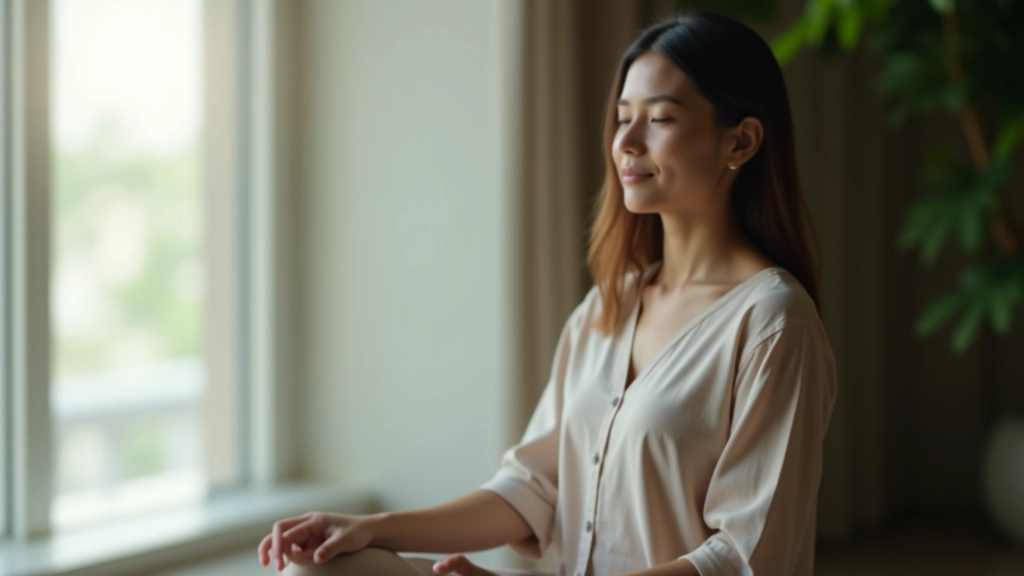
Box Breathing: The Simple Four-Count Method
Box breathing is probably the easiest to learn because it’s literally just a square pattern. You’re balancing each part equally — four counts in, four counts hold, four counts out, four counts hold. That’s it. The pattern creates a rhythm that naturally calms your nervous system.
Breathe In
Slowly inhale through your nose for a count of four. Don’t force it — just a steady, natural breath.
Hold
Hold that breath for four counts. You’re not straining — just pausing. This pause is where the magic happens for your nervous system.
Breathe Out
Exhale slowly through your mouth for four counts. This is the part that actually signals to your body that it’s safe to relax.
Hold Again
Hold empty for four counts. Then repeat the entire cycle 4-5 times. Most people feel noticeably calmer within two minutes.
Real talk: If four counts feels too long when you’re really anxious, start with three. As you get more comfortable, you can increase to five or six. The exact number doesn’t matter — consistency does.

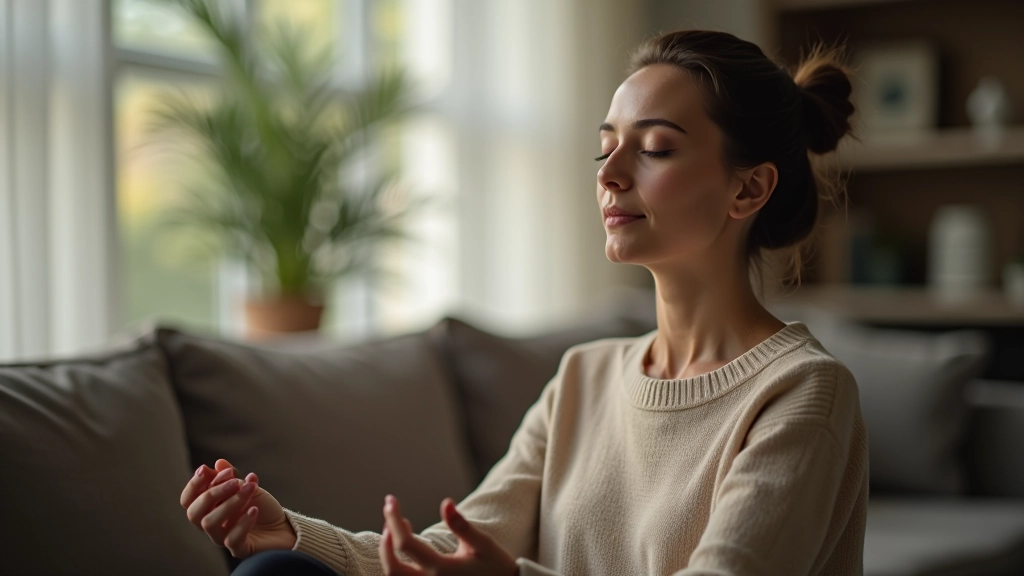
The 4-7-8 Technique: For Deeper Anxiety Relief
This one’s different because the counts aren’t equal. You’re breathing in for four, holding for seven (this is the important part), and breathing out for eight. That longer exhale is what activates your parasympathetic nervous system — basically telling your body to stand down from alert mode.
Some people find this more powerful than box breathing because the extended hold and exhale create a deeper relaxation response. It typically takes 6-8 cycles to really feel the shift, so give yourself at least three minutes.
How to do it:
- Inhale through your nose for 4 counts
- Hold your breath for 7 counts (this is crucial)
- Exhale through your mouth for 8 counts
- Repeat for 6-8 complete cycles
The 4-7-8 technique is particularly effective before sleep. Many people use it when they’re lying awake at 2 AM with their mind racing. Within a few cycles, they’re able to fall back asleep. Don’t be surprised if you feel slightly drowsy during the day when you first try this — that’s exactly what we’re going for.
Diaphragmatic Breathing: The Foundation Technique
This is belly breathing. Most of us learned to breathe from our chest, which is actually backwards. Your diaphragm is a muscle below your lungs, and when you use it properly, you get much more oxygen and send a stronger “relax” signal to your nervous system.
The difference is obvious once you try it. Chest breathing is shallow and fast. Diaphragmatic breathing is deep and slow. If you’re anxious right now, your body’s probably doing chest breathing. That’s the pattern you want to interrupt.
Try this right now:
- Put one hand on your chest, one on your belly
- Breathe normally and notice which hand moves more (probably the chest one)
- Now try breathing so your belly hand moves but your chest hand stays mostly still
- Take slow breaths in through your nose, feeling your belly expand like a balloon
- Exhale through your mouth, feeling your belly deflate
- Do this for 2-3 minutes
It might feel weird the first time because you’re probably not used to breathing this way. But within a few days of practice, it becomes automatic. And once diaphragmatic breathing becomes your default, you’ll notice you’re less anxious overall — not just in the moment, but throughout your day.

When to Use Each Technique
Box Breathing
Use when: You need quick relief. At work during a stressful meeting. Before a difficult conversation. When anxiety is just starting to build.
Why: It’s easy to remember, works fast (2-3 minutes), and you can do it discreetly anywhere.
4-7-8 Breathing
Use when: You need deeper relaxation. Before bed. When you’re really stressed. During panic attacks.
Why: The longer exhale creates a stronger calming effect. Takes about 5 minutes but the results are more profound.
Diaphragmatic Breathing
Use when: You want to change your baseline. Every day as a practice. Multiple times throughout your day.
Why: It retrains your nervous system. The more you practice, the less anxious you feel overall, even when you’re not actively breathing.
Tips That Actually Make a Difference
- Consistency matters more than perfection. You don’t need to do these perfectly. Just regularly. Five minutes of practice daily is better than one perfect session a week.
- Practice when you’re calm. Learn these techniques before you’re in a full panic. It’s much easier to remember them when you’re already relaxed, then use them when things get intense.
- Don’t force it. If you feel dizzy or lightheaded, slow down. Some people breathe faster or deeper when they’re anxious, which can make dizziness worse. Slow is better.
- Use them preventatively. Don’t wait until you’re panicking. Use these techniques throughout your day, especially at stressful times, to prevent anxiety from building up.
- Combine with other strategies. These techniques work great alone, but they’re even more powerful when you’re also getting enough sleep, moving your body, and managing caffeine intake.

Start With One, Master It, Then Explore
You don’t need all three techniques. Pick one. Use it for a week. Notice how it feels. Then try another if you want something different for different situations.
The best technique is the one you’ll actually use. If box breathing feels right to you, stick with it. If the 4-7-8 method clicks, that’s your go-to. Your nervous system will respond to whichever one you commit to.
And here’s what’s cool — these techniques don’t have side effects. They won’t interact with anything else you’re doing. They’re free. You’ve always got your breath with you. The only investment is a few minutes of your time to learn them properly.
Anxiety won’t disappear entirely with breathing techniques alone, but they’re a powerful tool that gives you something to do when panic hits. Instead of feeling helpless, you’re actively calming your nervous system. That shift in feeling in control is half the battle.
Ready to deepen your practice?
These techniques work best when combined with a consistent mindfulness practice. Our guided meditation classes teach you how to integrate breathing with full-body relaxation.
Explore Our ProgramsImportant Note
These breathing techniques are educational tools designed to support relaxation and general wellbeing. They’re not a substitute for professional mental health treatment. If you’re experiencing severe anxiety, panic disorder, or any mental health condition, please consult with a healthcare professional or therapist. If you have any respiratory conditions or physical health concerns, talk to your doctor before starting any new breathing practice.