

Getting Started with Daily Meditation Practice
Learn how to establish a consistent meditation routine that actually fits into your life. From finding the right time to creating sustainable habits.
Read ArticleA guided approach to releasing physical tension and discovering where you’re holding stress.

Body scan meditation isn’t complicated — it’s actually quite straightforward. You lie down comfortably and slowly move your attention through different parts of your body, noticing sensations without judgment. Most people find it deeply relaxing because you’re not trying to fix anything or achieve a special state. You’re just paying attention.
The practice takes about 15 minutes and works surprisingly well for releasing tension you didn’t even know you were carrying. It’s especially helpful after a stressful day when your shoulders are tight, your jaw’s clenched, and you can’t quite relax even though you want to.

You’ll start by lying on your back in a comfortable position — on a yoga mat, carpet, or even a bed works fine. Some people use a pillow under their head, others don’t. There’s no right way here.
The practice involves moving your awareness systematically through your body. You’ll typically start with your toes and slowly work upward — feet, calves, thighs, hips, lower back, abdomen, chest, shoulders, arms, and head. At each area, you’re noticing what’s there without trying to change it. Is there tension? Warmth? Tingling? A dull ache? Just notice.
What’s interesting is that simply noticing tension often causes it to ease naturally. You’re not forcing anything. It’s more like you’re having a conversation with your body — “Oh, I see you’re holding tension in your neck” — and your body responds by softening.

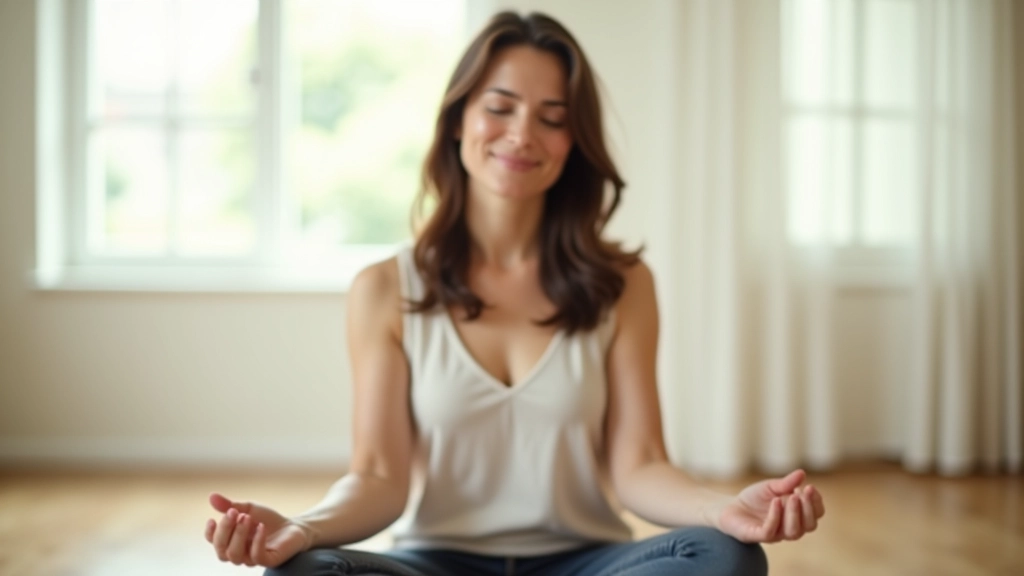
Body scan meditation activates your parasympathetic nervous system — basically your body’s relaxation mode. When you’re lying down, moving your attention slowly and intentionally, your heart rate drops. Your breathing naturally becomes deeper and slower. Your muscles gradually release tension.
Beyond the immediate physical relaxation, regular practice helps you develop what’s called “somatic awareness.” You’ll start noticing tension earlier in your day. Instead of arriving home completely wound up, you’ll catch yourself tensing and consciously relax. That awareness alone changes everything.
People often report better sleep when they practice body scan before bed. It’s also helpful for managing chronic pain because you’re learning to observe sensations without the stress narrative. Instead of “My back hurts and that’s terrible,” it becomes “There’s sensation in my lower back.” The shift in perspective actually reduces suffering.
Here’s how to do it. Find a quiet space where you won’t be interrupted for about 15-20 minutes. That’s really the only requirement.
Lie on your back with legs uncrossed, feet falling naturally to the sides. Place your arms at your sides with palms facing up or down — whatever feels right. You can use a pillow under your head and knees if needed. Wear comfortable clothing.
Take a moment to remind yourself why you’re doing this. You’re not trying to achieve anything or feel any particular way. You’re simply noticing what’s there. This simple intention actually makes the practice much more effective.
Spend the first minute just noticing your natural breath. Don’t try to change it or control it. Feel the cool air coming in through your nose, the warmth leaving your mouth. Your breath is the anchor that brings your attention into your body.
Move your attention to your left foot. Spend about 30 seconds there, noticing any sensation — warmth, coolness, tingling, pressure from the ground. If you don’t feel anything obvious, that’s fine too. Then move to your left calf, thigh, and hip. Repeat on the right side. Then move through your torso, chest, shoulders, arms, and finally your head.
After completing the scan, spend 2-3 minutes lying still, just feeling your whole body as one integrated whole. When you’re ready, slowly open your eyes. Don’t jump up immediately — take a moment to notice how you feel.
If your mind wanders constantly or you can’t feel anything, that’s completely normal. You’re not doing it wrong. Just gently bring your attention back when you notice it’s drifted. That’s actually the practice.
Three times per week shows real benefits. You’ll start noticing tension patterns in your daily life. When you practice regularly, you become more aware of how stress lives in your body before your mind even registers it.
Evening practice works beautifully because you’re already in a relaxed state. Many people fall asleep during body scan meditation and that’s perfectly fine — your body’s getting the rest it needs either way.
Following along with a guided recording helps tremendously when you’re starting out. Your attention naturally follows the guide’s voice through your body. Many people use the same recording repeatedly because familiarity deepens the practice.
Once you’re comfortable with the basic 15-minute practice, you can explore variations. Some people practice for 30 minutes, spending more time in areas where they typically hold tension. Others add a loving-kindness element, silently wishing each part of their body well as they scan through it.
You might notice that certain areas consistently hold more tension than others. Your shoulders. Your jaw. Your lower back. These are your body’s signature stress spots. As you continue practicing, you’ll develop the ability to relax these areas more quickly in your daily life. That’s when the real transformation happens — when meditation leaves the mat and enters your regular hours.
The beauty of body scan meditation is its simplicity. It doesn’t require belief in anything spiritual or special. It’s just you, your body, and paying attention. And yet, this simple act of attention creates measurable changes in how you experience stress, pain, and relaxation.
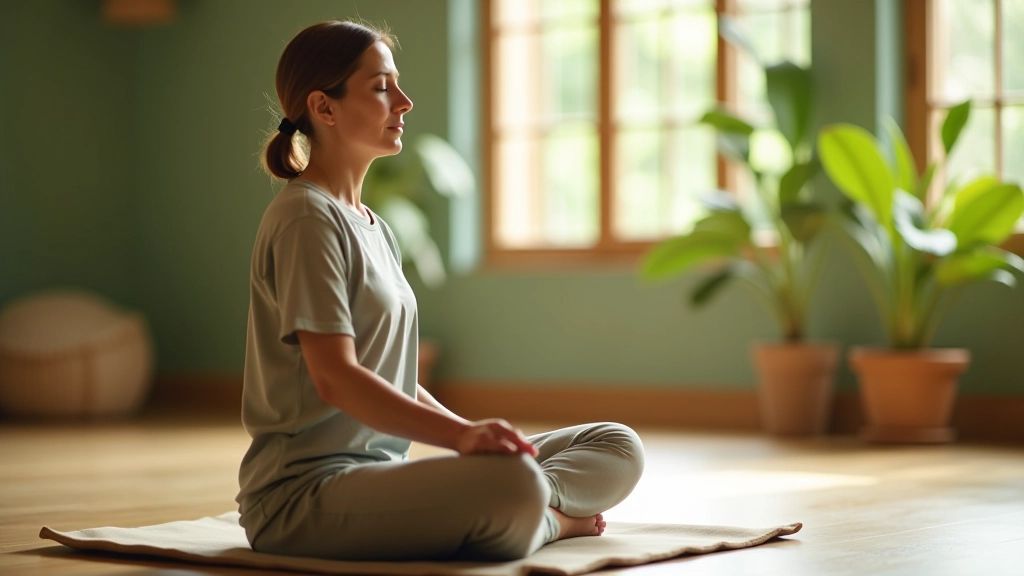
Body scan meditation is one of the most accessible relaxation practices available. You don’t need special equipment, a yoga studio, or any previous experience. You just need a quiet space, 15 minutes, and a willingness to pay attention to what’s happening in your body right now.
The first time you practice, you might feel like nothing’s happening. That’s actually when something is happening — you’re teaching your nervous system that it’s safe to relax. With repeated practice, you’ll notice deeper relaxation, better sleep, and a growing awareness of how tension builds throughout your day.
If you’re curious about deepening your meditation practice, consider exploring other techniques alongside body scan. Mindfulness meditation, breathing exercises, and loving-kindness practice all complement body scan beautifully. Many practitioners combine these approaches based on what they need on any given day.
This article provides educational information about body scan meditation and its general uses. It’s not a substitute for professional medical advice, diagnosis, or treatment. If you’re experiencing chronic pain, sleep disorders, anxiety, or any health condition, please consult with a qualified healthcare provider before beginning any new meditation practice. While meditation is generally safe, some people with certain conditions should approach it with guidance from a healthcare professional. Everyone’s experience with meditation is unique, and results vary based on individual circumstances and consistent practice.